
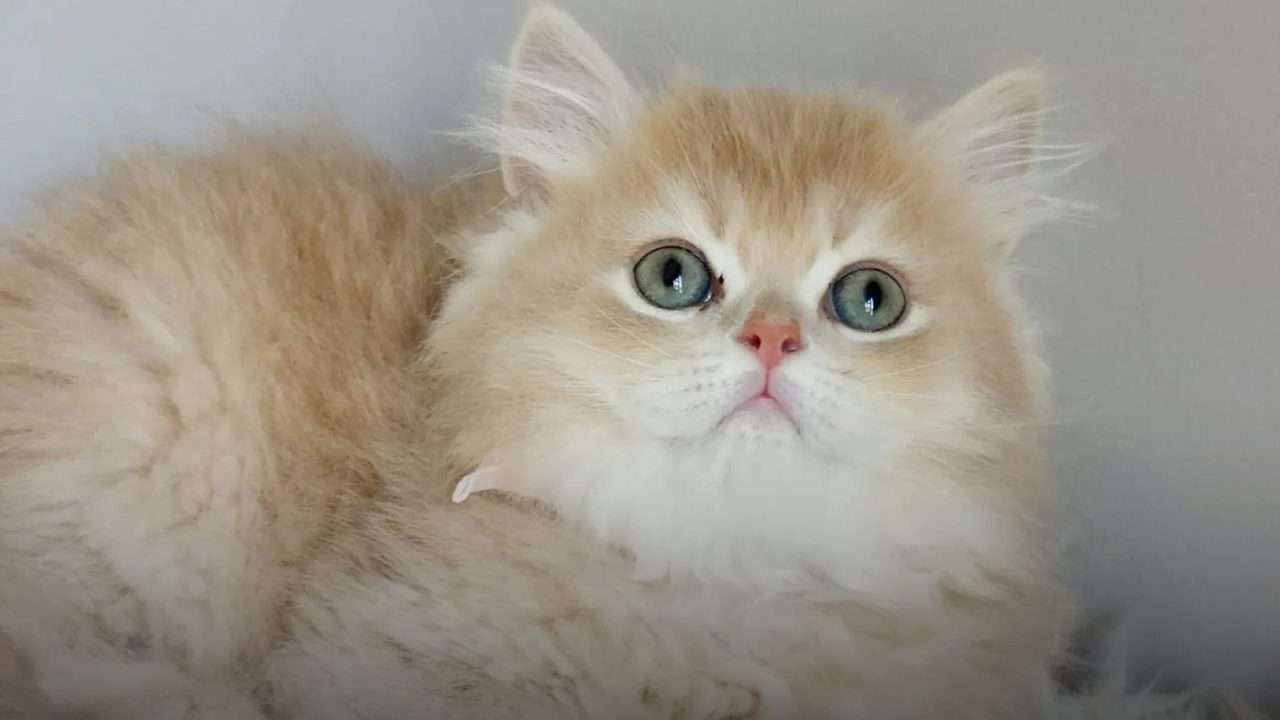
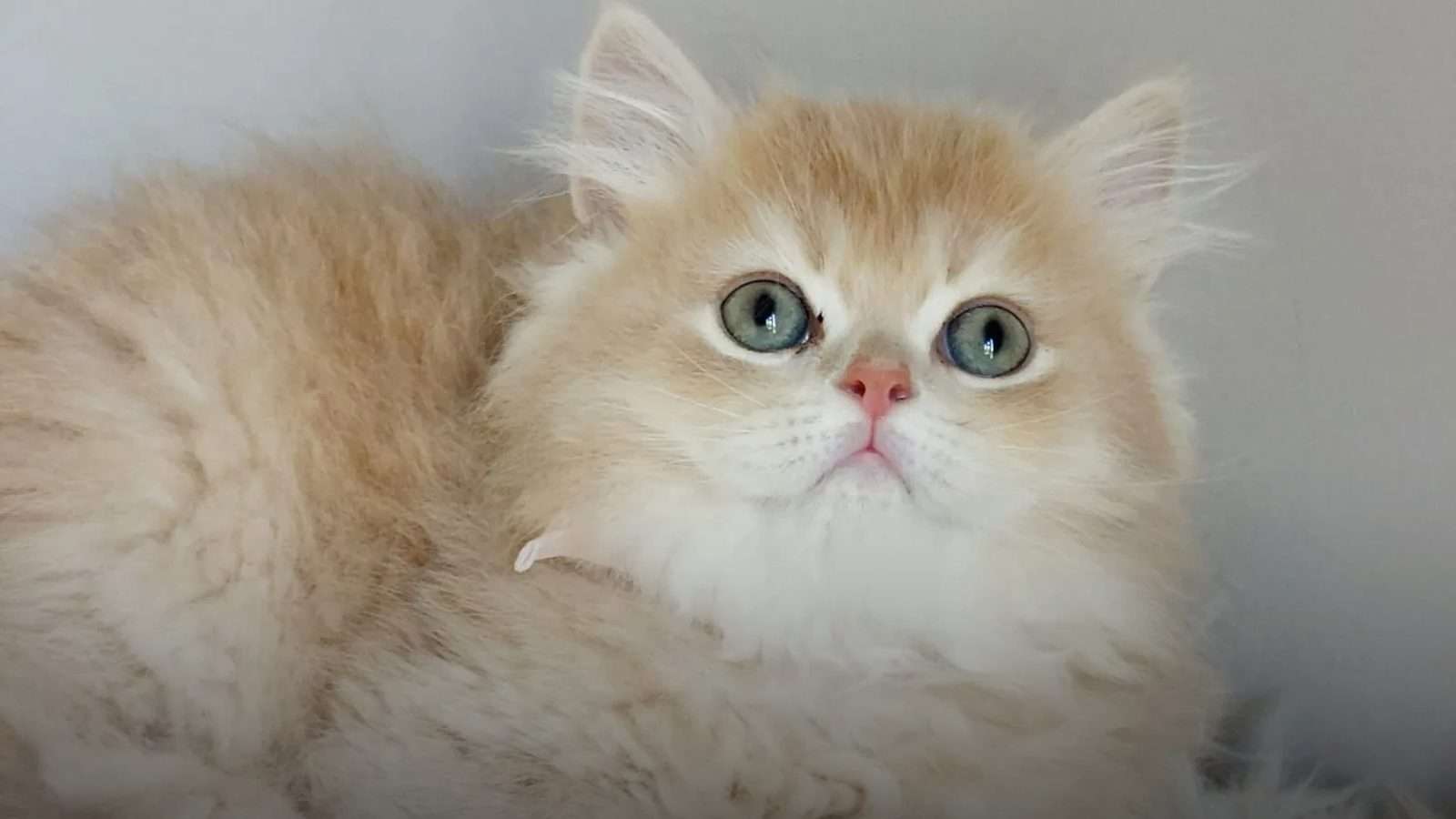
British Longhair in Singapore: A Complete Guide for First-Time Owners
Thinking of a British Longhair in Singapore? Temperament, colours incl. golden, grooming in our humidity, health screening & how to choose your kitten.
The British Longhair is the British Shorthair’s glamorous sibling — the same round teddy-bear face, chunky build and famously calm nature, wrapped in a plush, semi-long coat that turns heads in person. In Singapore it’s still a quietly kept secret next to its short-haired cousin, which is exactly why families who meet one fall hard. This is the complete guide: what the breed actually is, how it compares to the British Shorthair, the colours (including the coveted goldens), how to groom that coat in our humidity, health, and how to choose a kitten well in Singapore.
- The British Longhair is the semi-longhair version of the British Shorthair — same calm, easy-going temperament, same round face, with a luxurious dense coat.
- Personality: gentle, quiet and undemanding — one of the best-suited breeds for HDB and condo living in Singapore.
- Grooming is the real difference: that dense semi-long coat has a thick undercoat, so plan on combing 2–3 times a week (more during moults) — more work than a British Shorthair.
- Colours: the full British palette — blue, lilac, cream, bicolours — plus the luxury golden shaded and lilac golden coats CatzillaSG is known for.
- Health: choose a kitten with HCM and PKD-screened parentage; keep weight in check and they routinely live well into their teens.
- Cats are welcome in HDB flats — licensing is free until 31 August 2026.
In this article9 sections
What is a British Longhair?
The British Longhair grew out of the British Shorthair’s own history: Persian pairings introduced the longhair gene into British lines generations ago, and the semi-long kittens that appeared were eventually developed into a breed in their own right — recognised today by major registries including TICA and WCF. Everything that makes the British Shorthair beloved carries over: the round face and full cheeks, the sturdy, cobby body, the sweet, unflappable temperament. What changes is the coat — a plush, standing-off, semi-long double coat with a full ruff, fluffy britches and a magnificent plumed tail.
Think of it this way: if the British Shorthair is a teddy bear, the British Longhair is the same bear in a winter coat — a little more dramatic, a little more luxurious, and every bit as easy to live with.
British Longhair vs British Shorthair
Buyers in Singapore usually choose between these two, so here’s the honest comparison:
| British Longhair | British Shorthair | |
|---|---|---|
| Coat | Semi-long, dense with thick undercoat; ruff and plumed tail | Short, plush “crisp” double coat |
| Grooming | Comb 2–3× a week; daily during moults | Quick brush 1–2× a week |
| Temperament | Calm, gentle, quietly affectionate | Calm, independent, undemanding |
| Shedding | Moderate; more noticeable on furniture | Moderate, less visible |
| HDB suitability | Excellent — quiet and low-energy | Excellent — quiet and low-energy |
| The look | Dramatic, luxurious, show-stopping | Classic, neat, teddy-bear |
If you love the British temperament but want a quicker grooming routine, read our British Shorthair guide. If you’re happy to trade a few minutes of combing for that spectacular coat, the Longhair rewards you every single day.
Colours: from blue to golden
The British Longhair comes in the full British palette — classic blue, soft lilac and cream, striking bicolours, silvers and tabbies. At the luxury end sit the golden shaded and lilac golden coats: a warm, glowing base with delicate tipping, often paired with sweet green eyes. Golden-shaded cats are CatzillaSG’s specialty, and in the Longhair that shimmer is amplified by the coat’s length — it genuinely looks lit from within. (Curious how golden works? Our golden British Shorthair guide explains the tipping and eye colour — the same rules apply to the Longhair.)
British Longhairs are imported to Singapore in far smaller numbers than British Shorthairs, and well-bred goldens are rarer still — litters are small and demand quietly outstrips supply. When a litter does arrive, it tends to be reserved quickly. If you have your heart set on one, view early rather than waiting.
Temperament: the easiest housemate
British Longhairs are calm to their core. They potter rather than zoom, greet you at the door without yelling about it, and settle beside you rather than on your keyboard. They’re gentle with considerate children, tolerant of sensible dogs, and content with their own company during the workday — one of the reasons they suit busy Singapore households so well. They are affectionate on their own terms: less of a lap-limpet than a Ragdoll, more of a devoted companion who simply likes being in your orbit.
That even, quiet nature makes them a natural fit for apartment life — no yowling, no wall-climbing, no drama. For a broader look at flat-friendly breeds, see our guide to the best cat breeds for an HDB flat; the British family sits right at the top, and cats are now allowed in HDB flats with licensing free until 31 August 2026.
Grooming that coat in Singapore’s humidity
Here’s the one real commitment: unlike the Ragdoll’s silky single coat, the British Longhair carries a dense undercoat under its semi-long topcoat. In Singapore’s year-round humidity, loose undercoat that isn’t combed out can felt into mats — especially in the ruff, armpits, belly and britches. The routine that keeps the coat perfect:
- Comb 2–3 times a week with a stainless-steel comb, right down to the skin — daily during a moult.
- Work the friction zones every session: behind the ears, armpits, belly, britches, tail base.
- Keep your home cool — aircon comfort (around 24–27°C) means less compensatory shedding and a happier cat.
- Never shave the coat for the heat — it insulates against warmth too, and shaving damages the texture.
- Baths are rarely needed; a few minutes of combing beats any bath.
It’s ten minutes, a few times a week — a small price for the most spectacular coat in the British family. Our Ragdoll grooming guide covers the same humidity principles in depth if you want the full technique.
Health & lifespan
The British Longhair is a robust, long-lived breed — with good care, most live well into their teens. Two hereditary conditions matter when choosing a kitten: HCM (hypertrophic cardiomyopathy, the heart condition shared with the British Shorthair) and PKD (polycystic kidney disease, a legacy of the breed’s Persian ancestry). Both are screenable — which is why the single most important health decision is buying from health-tested, registered bloodlines. Day to day, the practical watch-outs are simpler: keep weight in check (the British build gains easily), stay on top of parasite prevention year-round in the tropics, comb regularly to prevent hairballs, and keep up annual vet and dental checks.
Don’t skip HCM/PKD-screened parentage, and don’t skip monthly parasite prevention. A suspiciously cheap British Longhair with “no papers, no testing” is the most expensive cat you can buy — the vet bills arrive later.
Choosing a British Longhair kitten in Singapore
Because so few arrive here, the shortcut is to choose the source, not just the kitten. At CatzillaSG, every British Longhair is hand-selected from champion, health-tested WCF, CFA, TICA and ANCATS-registered bloodlines, then raised and socialised at our AVS-licensed cattery until they come home confident and people-loving. Every kitten arrives fully vaccinated, microchipped, dewormed and vet-cleared, with a 5-generation pedigree and our lifetime congenital health guarantee — and every photo you see on our site is the real kitten, never AI-generated.
What determines what you’ll pay? The same factors as the British Shorthair: colour rarity (goldens sit at the top), pedigree quality, health screening and the standard of early care — we explain the full picture in our British Shorthair cost guide, and the same logic applies. We don’t publish prices online — message us and we’ll share current availability and details.
Questions, answered
Is the British Longhair a good breed for first-time owners?
Yes — one of the best. They’re calm, gentle, quiet and forgiving, with no demanding streak. The only real commitment is the coat: a comb-through 2–3 times a week. If you can give it that, the British Longhair is about as easy as pedigree cats get.
What’s the difference between a British Longhair and a British Shorthair?
They share the same build, face and calm temperament — the difference is the coat. The Longhair carries a semi-long, dense coat with a thick undercoat that needs combing 2–3 times a week, while the Shorthair’s short plush coat needs only a quick weekly brush. Visually, the Longhair is the more dramatic, luxurious cat.
Are British Longhairs suitable for HDB flats?
Extremely. They’re quiet, low-energy and content indoors, which is exactly what apartment living asks for. Cats are allowed in HDB flats, with licensing free until 31 August 2026 — keep them indoors, mesh the windows, and they’ll thrive.
Do British Longhairs shed a lot?
Moderately — more visibly than a British Shorthair because the hairs are longer and lighter. Regular combing (2–3 times a week, daily during moults) removes loose undercoat before it lands on your sofa and prevents mats and hairballs.
Are British Longhairs hypoallergenic?
No cat is truly hypoallergenic, and the British Longhair isn’t either — allergies react to proteins in saliva and dander, not hair length. Allergy-prone buyers should spend time with the breed before committing; a private viewing is the honest test.
How much does a British Longhair cost in Singapore?
It varies with colour rarity (goldens command the most), pedigree quality, health screening and the standard of early care. We don’t publish prices online — every kitten is individual — but message us and we’ll share current availability, details and pricing directly.
How long do British Longhairs live?
With good care — healthy weight, screened parentage, parasite prevention and regular vet checks — most live well into their teens. It’s a naturally robust breed.
What colours do British Longhairs come in?
The full British palette: blue, lilac, cream, bicolours, silvers and tabbies — plus the luxury tipped coats, golden shaded and lilac golden, which pair a glowing warm base with green eyes. Goldens are the rarest and most sought-after in Singapore.
Meet our British Longhair kittens
The fastest way to understand this breed is to sit with one. Come meet our current British Longhair kittens — including our golden girls and boys — at our AVS-licensed cattery in Singapore.
Book a private viewing · About our British Longhair kittens in Singapore · See available British Longhair kittens