
How Much Does a British Shorthair Cost in Singapore? (2026 Guide)
British Shorthair price Singapore explained: the real factors behind the cost, from bloodline and health testing to AVS licensing and coat rarity.
If you have been searching for the British Shorthair price Singapore families can actually trust, you have probably noticed something confusing: the same breed can be advertised at wildly different figures, sometimes a few hundred dollars apart, sometimes a few thousand. Here is the honest truth we have learned over years of hand-selecting golden-shaded British Shorthairs for our AVS-licensed Singapore cattery — the number you are quoted tells you far more about what you are buying than about the breed itself. A healthy, traceable, health-tested kitten from a licensed cattery lives in a completely different world from a cheap online listing, and understanding why is the single most valuable thing you can do before you bring a cat home for the next fifteen-plus years.
What you are really paying for
- Bloodline & pedigree — registered, championship-line parents bred to standard cost more than unregistered “lookalike” cats.
- Health testing — HCM- and PKD-screened parents dramatically lower the risk of expensive hereditary illness later.
- AVS licensing & traceability — a licensed Singapore cattery is accountable and inspected; an anonymous seller is not.
- Coat rarity — golden shaded and silver shaded coats sit above the common blue because the genetics are far harder to produce.
- What is included — vaccinations, microchip, multiple vet checks, a written lifetime health guarantee and weeks of socialisation.
We do not publish kitten prices on this website — a deliberate choice we explain near the end — so this guide answers the question the better way: by walking you through the real British Shorthair price factors, so you can judge whether any quote, from us or anyone else, is fair rather than simply cheap or expensive.
In this article10 sections
- How much does a British Shorthair cost in Singapore?
- What affects the British Shorthair price Singapore buyers pay?
- Are golden British Shorthairs more expensive than blue?
- Why are British Shorthair kittens so expensive?
- Why the cheapest British Shorthair is rarely the best value
- What should the price include from a reputable breeder?
- Is a British Shorthair worth the price in Singapore?
- Why we don’t publish kitten prices online
- Frequently asked questions
- Join the waitlist
How much does a British Shorthair cost in Singapore?
When people ask how much is a British Shorthair in Singapore, they are usually hoping for one tidy number. The reality is a range, and the position within that range is set by a handful of factors that compound on one another. The British Shorthair price Singapore buyers ultimately pay reflects bloodline, the health screening behind the parents, the cattery’s licensing and welfare costs, the rarity of the coat, and everything bundled into the handover. A pet-quality blue from health-tested, registered parents sits at one end. A rare golden British Shorthair, from champion lines, sits considerably higher — not because of a markup, but because the genetics, the screening and the demand all pull in the same direction.
The useful question is therefore not “what is the cheapest?” but “what does this figure include, and what risk does it remove?” That is what the rest of this guide unpacks.
The price of a well-bred kitten is not the cost of the cat — it is the cost of everything that had to go right before you ever met it.
What affects the British Shorthair price Singapore buyers pay?
Several distinct forces move the British Shorthair price Singapore families encounter. Knowing them turns a bewildering spread of numbers into something you can actually reason about.
Bloodline, registration and breed type
Kittens from registered, championship-line parents are bred to the breed standard — the rounded face, dense plush double coat, copper or matching eyes, and the cobby, teddy-bear body that makes the breed unmistakable. That kind of type does not happen by accident; it is the result of careful, generational selection. Unregistered or “lookalike” cats can resemble a British Shorthair at a glance but rarely hold up on structure, coat or temperament, and they cost less precisely because that breeding investment was never made.
Health screening of the parents
This is the factor we care about most. Responsible catteries only breed from parents screened for HCM (hypertrophic cardiomyopathy, a heart condition) and PKD (polycystic kidney disease) — the two hereditary concerns most associated with the breed. That testing is genuinely expensive and it is built into a fair price for a very good reason: it is the difference between a kitten that is statistically far less likely to develop a devastating inherited illness and one that is a gamble.
AVS licensing and import
An AVS-licensed Singapore cattery operates under strict animal-welfare and import rules, with inspections and accountability that an anonymous seller simply does not have. Kittens bred from vetted overseas lines also carry legitimate travel, health-certification and paperwork costs that a backyard litter avoids by cutting corners. When you pay a licensed British Shorthair breeder in Singapore, part of what you are buying is recourse — someone who is still there, and still answerable, after you take your kitten home.
Coat colour and rarity
Coat is one of the largest single swings in price, which is why it deserves its own section below.
Before comparing any two quotes, ask each seller to itemise exactly what is included — health testing, vaccinations, microchip, guarantee. Two figures that look far apart often describe completely different things once you read the fine print.
Are golden British Shorthairs more expensive than blue?
Yes — and understandably so. The classic British Blue is the breed’s most established colour and sits at the more accessible end of the range; a blue British Shorthair is typically the baseline against which rarer coats are measured. The shaded colours are a different story.
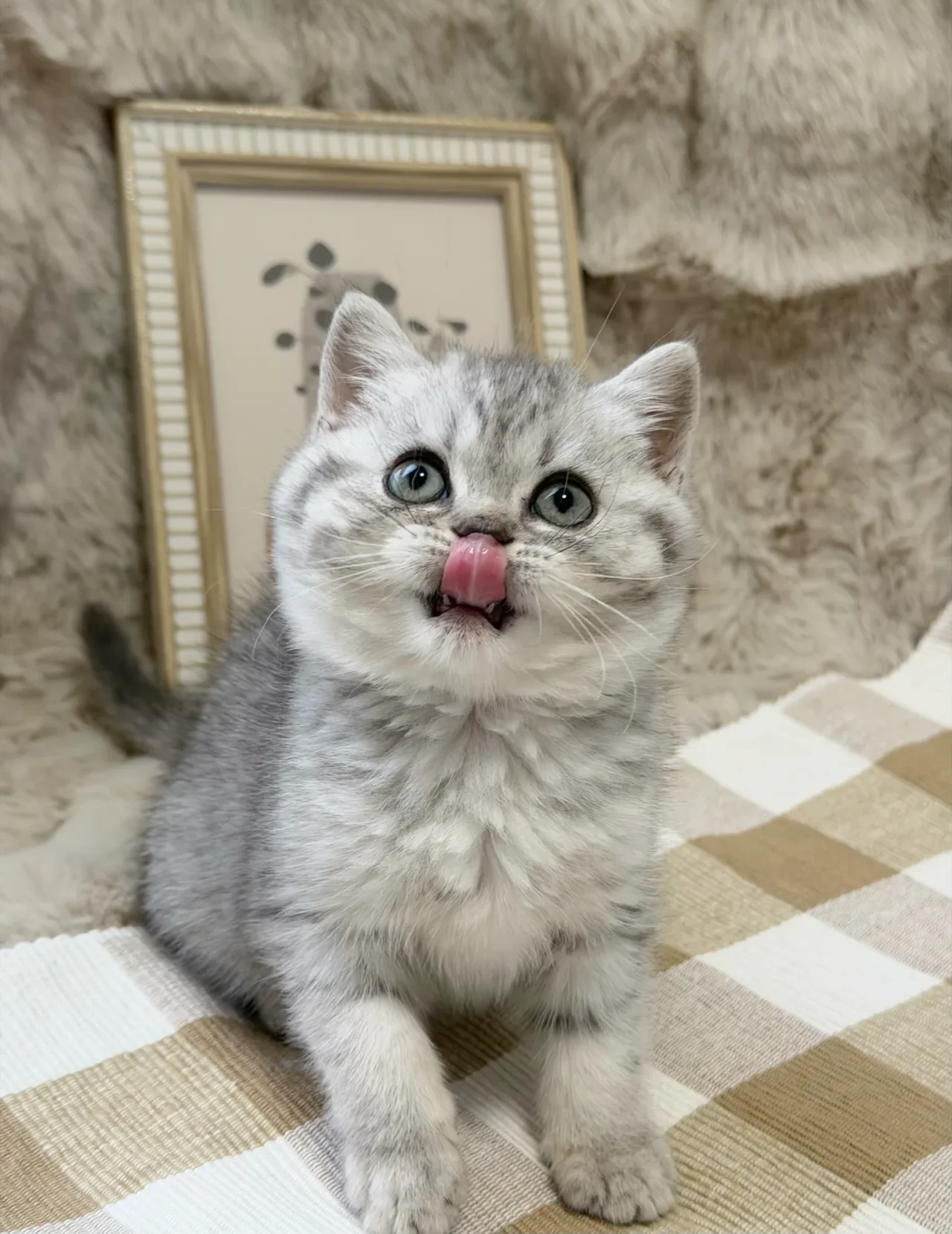
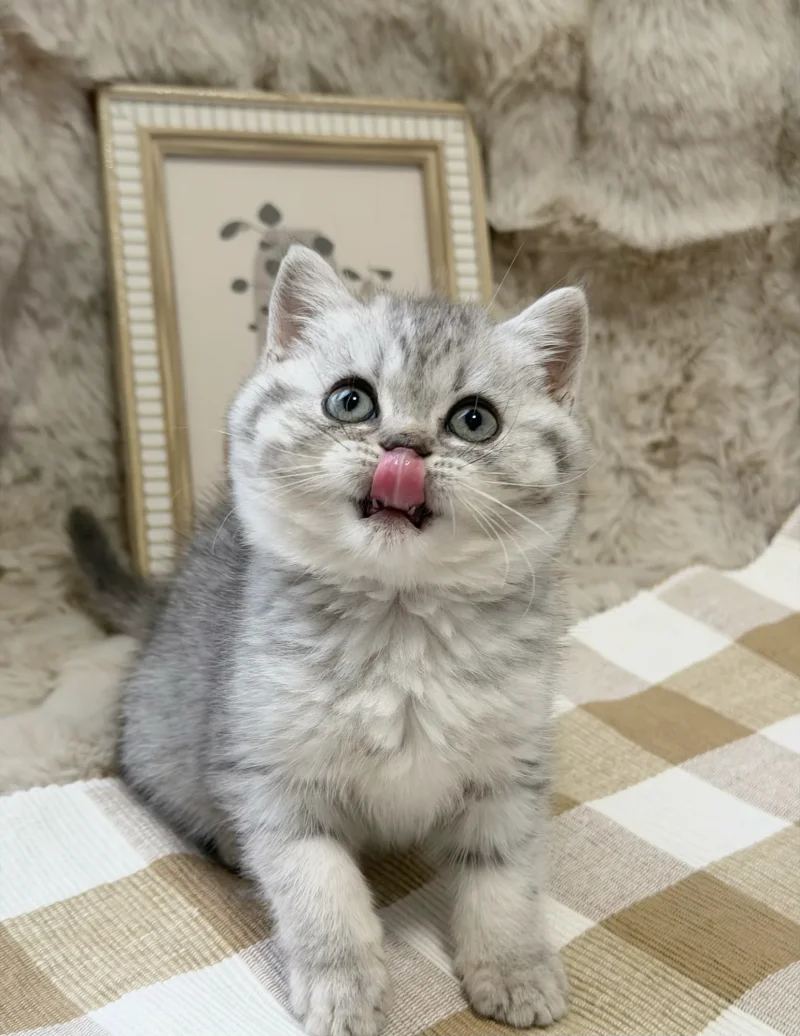
Golden-shaded British Shorthairs — our own specialty at CatzillaSG — depend on uncommon, hard-to-stabilise genetics. So do silver-shaded coats. A golden British Shorthair, or a silver-shaded one, runs higher than a standard blue because these colours are difficult to produce reliably, require carefully matched parents, and are in strong, sustained demand here. The premium reflects genuine scarcity, not a marketing decision.
| Coat type | Relative rarity | Effect on price |
|---|---|---|
| Blue (British Blue) | Most established | Baseline of the range |
| Lilac & chocolate | Less common | Above baseline |
| Silver shaded | Uncommon genetics | Premium |
| Golden shaded | Rare, hard to stabilise | Highest premium |
If your heart is set on a Blue Golden Shaded, Lilac Golden Shaded or Black Silver Shaded British Shorthair, a good cattery will be happy to explain exactly why that particular coat sits where it does. We go deeper into the genetics and the look in our companion piece on the golden-shaded British Shorthair.
British Blue
The established classic — dense slate-grey coat, copper eyes, the most accessible point in the range.
Silver Shaded
A shimmering tipped coat over a pale undercoat. Uncommon genetics push it well above the blue.
Golden Shaded
Warm honey tones that are rare and hard to stabilise — the breed’s most sought-after coat in Singapore.
Why are British Shorthair kittens so expensive?
Buyers often ask, quite reasonably, why are British Shorthairs so expensive. The short answer is that an ethical British Shorthair price in Singapore is the sum of a great deal of invisible, upfront work. The parents are health-tested. The queen receives premium nutrition and veterinary care through pregnancy. The litter is born and raised indoors, hand-socialised for weeks so the kittens arrive calm rather than fearful. Every kitten is vaccinated, dewormed, microchipped, vet-checked more than once, and backed by a written guarantee. The cattery itself carries licensing, inspection and welfare costs year-round, whether or not there is a litter on the ground.
None of that is optional if welfare comes first — and all of it costs money long before a kitten is ready to go home. The price is not a premium on a cat; it is the true cost of doing it properly.
Why the cheapest British Shorthair is rarely the best value
It is tempting to chase the lowest figure you can find. But with living animals, you tend to get what you pay for, and a suspiciously cheap British Shorthair almost always means a corner has been cut somewhere you cannot see: parents that were never health-tested, no licensing, no paperwork, and no one to call if something goes wrong.
The danger is that the saving is an illusion. A kitten from untested parents can carry a hereditary heart or kidney condition that surfaces months later, turning a “bargain” into thousands of dollars in vet bills and real heartbreak. Seen that way, a well-bred, health-screened kitten is not the expensive option — it is the one that protects you from the most expensive outcome of all.
A price that seems too good to be true, a seller who will not let you meet the mother, no health-test records, no AVS licence, and pressure to pay a deposit before you have seen the kitten. These are the classic signs of a backyard breeder or import broker — and the reason a low price can become a very high one.
What should the price include from a reputable breeder?
When you buy from a licensed Singapore cattery, the figure is not just “for the kitten.” It covers the work that makes that kitten healthy, stable and ready for life with you. From us, that means:
- Multiple veterinary health checks before handover
- A full course of age-appropriate vaccinations and deworming
- Microchipping and all supporting paperwork
- HCM- and PKD-tested parents behind every litter
- A written, lifetime genetic health guarantee
- Weeks of in-home socialisation so your kitten arrives confident, not skittish
- Handover at 12–16 weeks, fully weaned and litter-trained
- Honest, ongoing post-sale support — we are reachable for the life of your cat
Ask any seller to confirm each of these in writing before you compare prices. It is the fastest way to tell a genuine British Shorthair breeder in Singapore from someone simply moving kittens.
Is a British Shorthair worth the price in Singapore?
For the right family, comfortably yes — but it helps to budget for the whole life of the cat, not just the kitten. The purchase is the start of the relationship, and responsible ownership means planning for what comes after.
- Quality food — the single biggest lever you control for long-term health.
- Annual vet care and vaccinations — plus a sensible buffer for the unexpected.
- Pet insurance — well worth considering for peace of mind.
- Litter, basics and grooming — happily, British Shorthairs are wonderfully low-maintenance and need only a weekly brush, even in Singapore’s humidity.
The breed is famously well suited to local life: quiet, undemanding, content in an HDB flat or condo, and devoted without being clingy. Factor in fifteen-plus years of that companionship, and the right kitten from the right source is comfortably the most economical decision over the long run. For the full picture of temperament and care, see our British Shorthair breed guide.
Why we don’t publish kitten prices online
At CatzillaSG we deliberately do not list the British Shorthair price Singapore buyers might expect to see on the website. The right match is rarely about the lowest number; it is about the chemistry between a particular kitten and the family bringing it home, and that only becomes clear when you spend time together in person. Prices also genuinely vary by bloodline, coat and what is available at any given moment.
So instead of a price tag, we offer an invitation: come and visit our AVS-licensed Singapore cattery, meet the kittens, see how they behave, meet the mum, and ask us anything — including current pricing and exactly what is available right now.
Frequently asked questions
How much does a British Shorthair cost in Singapore?
There is no single figure — the British Shorthair price in Singapore is a range set by bloodline, parent health testing, AVS licensing, coat rarity and what is included at handover. A health-tested pet-quality blue sits at one end; a rare golden-shaded kitten from champion lines sits considerably higher. We discuss current pricing in person rather than publishing it, because the right match depends on far more than a number.
Why are British Shorthair kittens so expensive?
An ethical price reflects a lot of invisible upfront work: HCM- and PKD-tested parents, premium care through pregnancy, weeks of in-home socialisation, vaccinations, microchipping, multiple vet checks, a written health guarantee, and year-round licensing and welfare costs. The figure is the true cost of doing it properly, not a markup on the cat.
Are golden British Shorthairs more expensive than blue?
Yes. The British Blue is the established baseline, while golden-shaded and silver-shaded coats depend on uncommon, hard-to-stabilise genetics and are in strong demand. A golden British Shorthair therefore runs above a standard blue — reflecting genuine scarcity rather than a premium for its own sake.
What should the price include from a reputable British Shorthair breeder?
At minimum: HCM- and PKD-tested parents, multiple vet checks, full vaccinations and deworming, microchipping and paperwork, a written lifetime health guarantee, weeks of socialisation, handover at 12–16 weeks, and genuine post-sale support. Ask for each in writing before comparing prices.
Is a British Shorthair worth the price in Singapore?
For the right home, yes — provided you budget for the cat’s whole life: quality food, annual vet care, optional insurance, and basic grooming. The breed is quiet, low-maintenance and well suited to HDB and condo living, and a healthy, well-bred kitten is the most economical choice across fifteen-plus years.
How do I avoid overpaying for a low-quality kitten?
Be wary of prices that seem too good to be true, sellers who will not let you meet the mother, missing health-test records, no AVS licence, and pressure to pay a deposit sight-unseen. A licensed cattery that welcomes a visit and answers every question is the surest protection.
See the difference in person
The best way to understand a British Shorthair’s real value is to meet one. Visit our AVS-licensed Singapore cattery, see our current golden-shaded and blue kittens, and ask us anything — including current pricing and availability.