
British Shorthair in Singapore: A Complete Guide for First-Time Owners
A complete British Shorthair Singapore guide: temperament, HDB-suitability, grooming, shedding, climate care, health and lifespan, from an AVS-licensed cattery.
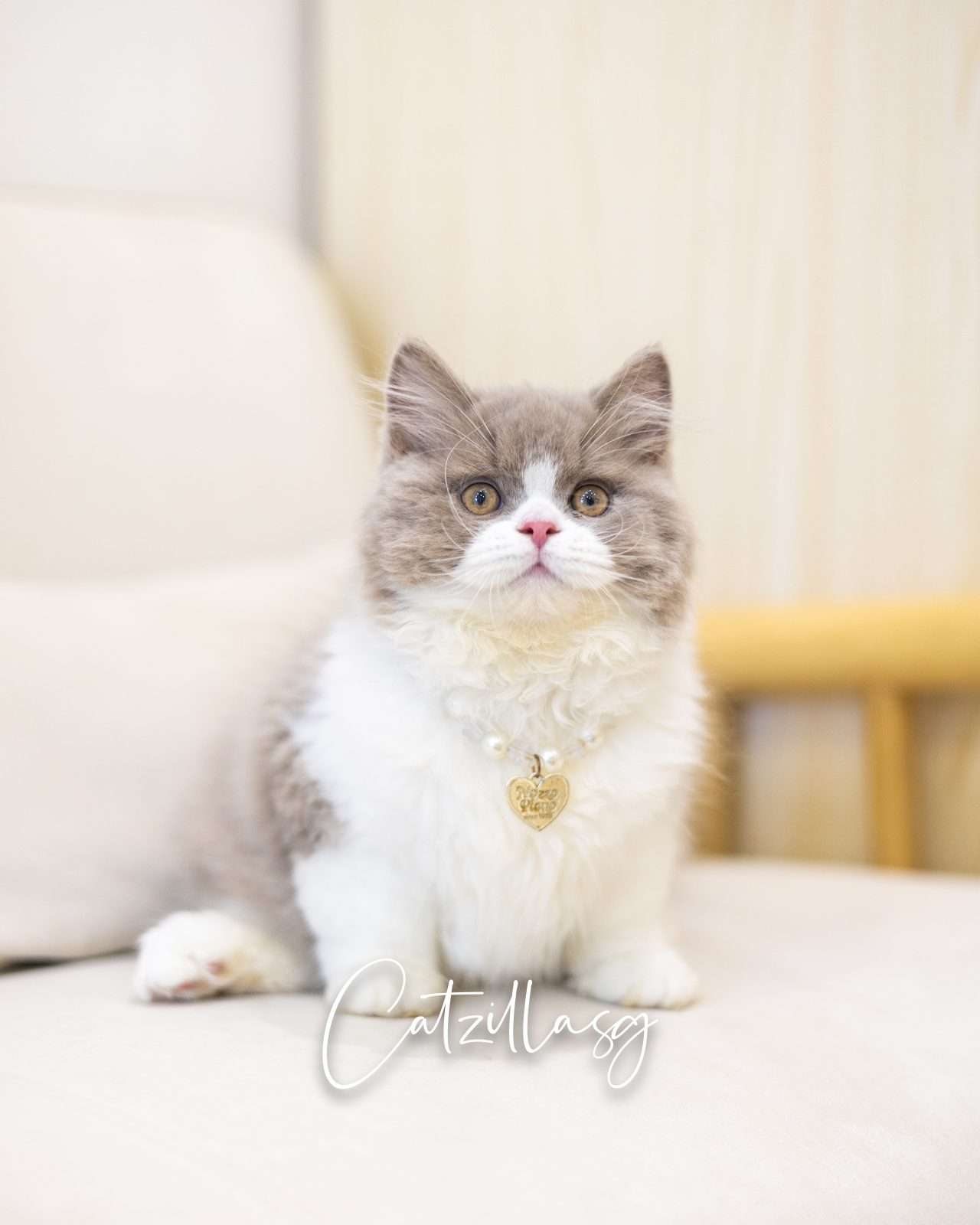
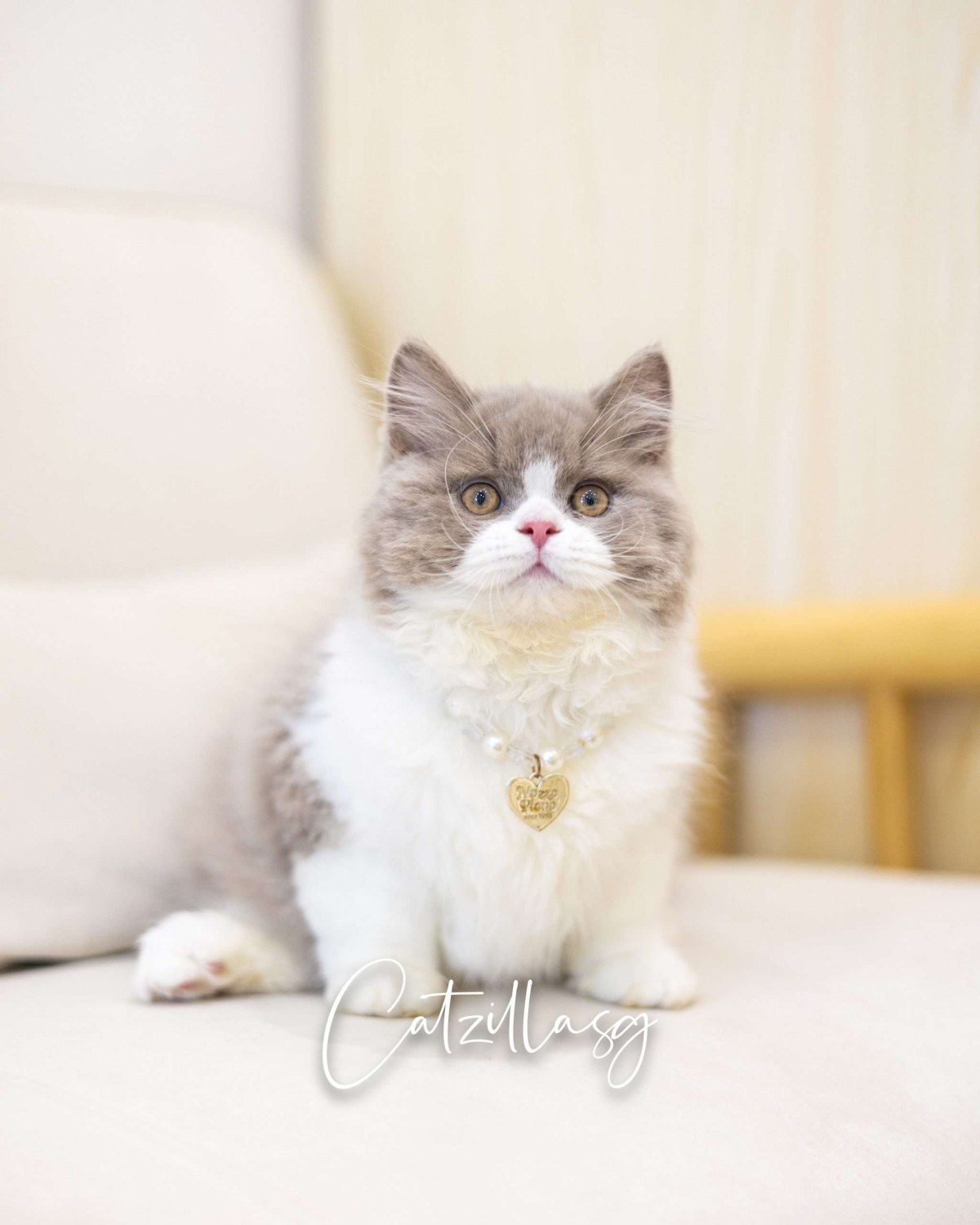
If you have spent any time on cat-loving corners of Singapore Instagram, you have already met them: round teddy-bear faces, plush blue-grey coats, sleepy copper eyes. The British Shorthair Singapore families fall for has quietly become one of the most sought-after pedigree breeds on the island — and as a cattery that has raised these cats here for years, we understand exactly why, and exactly what owning one in the tropics actually demands. This is the honest, locally-grounded guide we wish every first-time owner read before they fell in love.
What every first-time owner needs to know
- A calm, low-drama cat — arguably the best calm cat breed for HDB Singapore living and condo apartments.
- Their cool-climate double coat struggles in our heat: air-conditioning and the right grooming routine are non-negotiable.
- British Shorthairs shed moderately year-round; weekly brushing is what actually keeps it manageable in humid air.
- Always ask for HCM and PKD test results on both parents before paying a deposit.
- An AVS-licensed cattery, a written lifetime health guarantee, and a 12-to-16-week handover are the floor, not the bonus.
In this article9 sections
- Why a British Shorthair fits Singapore living
- British Shorthair Singapore climate: managing a cool-weather coat in the tropics
- British Shorthair grooming in Singapore: shedding, coat care and humidity
- Health and lifespan: what to ask before you commit
- Red flags when choosing a cattery
- Bringing your kitten home: the first week
- Is the British Shorthair the right breed for you?
- Frequently asked questions
- Join the waitlist
Why a British Shorthair fits Singapore living
British Shorthairs are calm, independent and famously low-drama — three qualities that make a British Shorthair cat Singapore owners can actually live with in an HDB flat or a compact condo. They are not “velcro cats.” They prefer to be near you rather than draped on you, and they tolerate the long quiet hours of a working day far better than busier breeds like Bengals or Siamese. For a household where everyone is out from nine to six, that emotional steadiness is the whole point.
For families with young children, this temperament matters even more. A well-socialised British Shorthair will rarely scratch or bite when handled gently, and that dense coat acts as a built-in cushion against curious little hands. They are sturdy, grounded cats — the kind that watch a toddler’s chaos from a sunlit windowsill with the calm of a retired headmaster.
What is the temperament of a British Shorthair cat?
British Shorthair temperament is best described as dignified affection. They are gentle, even-keeled and deeply loyal, but they show it on their own terms — a quiet presence in the same room rather than a lap-bound shadow. They are intelligent without being demanding, playful in short bursts as kittens, and serenely self-contained as adults. If you want a cat that fetches and chats, look elsewhere. If you want a composed companion who treats your home like a personal aristocratic estate, this is your breed.
Are British Shorthairs good cats for HDB flats and condos?
Yes — and this is where the breed genuinely shines. A British Shorthair HDB setup works because these cats are not high-energy climbers who need vertical sprawl to stay sane. They are content with a cat tree, a couple of sunny perches, and a window to supervise the void deck below. Their low vocal volume keeps the peace with neighbours through shared HDB walls, and their calm disposition means they settle quickly into apartment routines. As a calm cat breed for HDB Singapore living, the British Shorthair is close to ideal.
Mesh your windows and balcony before your kitten comes home. High-rise falls — “high-rise syndrome” — are one of the most common emergency-vet cases in Singapore, and a curious British Shorthair on a 15th-floor ledge is exactly the scenario to design out in advance.
British Shorthair Singapore climate: managing a cool-weather coat in the tropics
Here is what most first-time owners never think about until it is a problem: a British Shorthair is genetically engineered for the cool, damp British countryside. Their double coat — a soft, dense undercoat beneath a crisp outer layer — exists to trap body heat. In Singapore’s relentless 30-something-degree humidity, that beautiful plush becomes a real welfare consideration, not a cosmetic one. Managing the British Shorthair Singapore climate mismatch is the single most important thing we teach new owners, and it is the part generic UK care guides simply cannot tell you.
Open-mouth panting, lethargy, refusing food or water, or ears that stay hot for more than a few minutes are signs of heat stress. These need a vet, not just a fan. Cats do not pant casually the way dogs do — in a British Shorthair, panting is an alarm bell.
Are British Shorthair cats suitable for Singapore’s hot, humid climate? Honestly — yes, but only in a home built around their coat. The good news is that almost every Singapore home already has what they need; you simply have to commit to using it. Here is how we coach our owners:
- Air-conditioning is not a luxury during hot afternoons. Plan for at least one consistently cooled room your cat can always retreat to. A British Shorthair will seek out the coolest tile in the house — give them a better option.
- Cooling mats and tile floors are a British Shorthair’s best friend. Many of ours sprawl belly-down on bathroom tiles by mid-afternoon — let them.
- Fresh water in two or three locations around the home. British Shorthairs drink more than people expect, and good hydration protects the kidneys over a long life.
- Never leave them in an unventilated room — a closed bedroom with the AC off can climb to dangerous temperatures fast in our climate.
A British Shorthair in Singapore is a cool-climate cat living on the equator. Build your home around that one fact, and they will thrive for well over a decade.
British Shorthair grooming in Singapore: shedding, coat care and humidity
The British Shorthair Singapore owners ask about most when it comes to daily care is grooming — and rightly, because our humidity changes the maths. In the UK, a British Shorthair’s coat is relatively self-sufficient. Here, that same coat traps moisture against the skin, and without help it mats faster and sheds in a way that surprises people.
Do British Shorthair cats shed a lot in Singapore?
British Shorthair shedding is moderate, not extreme — but it is steady and year-round rather than seasonal, because there is no true cold season here to trigger a natural coat cycle. You will find blue-grey fluff on your sofa and your work clothes. The fix is not exotic; it is consistency. Regular brushing removes the loose undercoat before it ends up on your furniture or, worse, in your cat’s stomach as hairballs. Owners who brush weekly report dramatically less shedding than those who wait for matting to force the issue.
How do you groom a British Shorthair in Singapore’s weather?
Grooming a British Shorthair Singapore-style is about working with the humidity, not against it:
- Brush once or twice a week with a stainless-steel comb followed by a slicker or rubber brush. This is the core of the whole routine.
- Increase to every other day if you notice heavier shedding or any matting behind the legs and under the belly, where humidity collects.
- Bathe sparingly — only every few months, and always dry the dense undercoat completely. A damp undercoat in our climate invites skin issues.
- Check ears, claws and that round face fold during each brush. A grooming session doubles as a weekly health check.
Start brushing from kittenhood, even when there is barely anything to brush. A British Shorthair who learns young that grooming means calm attention and treats will sit happily for it at age ten — and you will never fight a matted adult cat.
Health and lifespan: what to ask before you commit
British Shorthairs are a robust, long-lived breed, but two genetic conditions appear often enough that any serious cattery screens both parents for them. This is the part of caring for a British Shorthair in Singapore that buyers cannot afford to skip:
- Hypertrophic Cardiomyopathy (HCM) — the most common heart disease in cats. DNA and echocardiogram screening of the parents reduces the risk significantly.
- Polycystic Kidney Disease (PKD) — inherited kidney cysts that develop over time, and easily screened with a simple DNA test.
A reputable Singapore cattery will hand over written proof that both parents are tested and clear. At Catzilla SG, every kitten we place comes from HCM- and PKD-screened parents, and we walk new owners through the paperwork in person. If a breeder cannot show you this, walk away — no exceptions.
What is the lifespan of a British Shorthair?
A well-raised British Shorthair lifespan typically runs 14 to 18 years, and many reach their late teens in good health. That longevity is exactly why the upfront decisions — health-tested parents, a slow handover, proper climate care — pay off across nearly two decades of companionship. You are not buying a kitten; you are choosing a family member for the next chapter of your life.
| British Shorthair at a glance | What to expect in Singapore |
|---|---|
| Temperament | Calm, loyal, independent, low-vocal |
| HDB / condo suitability | Excellent — quiet, low-energy, settled |
| Climate needs | Air-con access essential; cool retreats |
| Shedding | Moderate, year-round |
| Grooming | Brush 1–2× weekly; more in humidity |
| Lifespan | 14–18 years |
Verify before you pay a deposit
- AVS licence — Singapore’s Animal & Veterinary Service number, freely shared.
- Kittens go home between 12 and 16 weeks old, never younger.
- Full vaccination history and microchip registration in hand on collection day.
- A written health guarantee covering hereditary conditions.
- You can meet the mum and see where the kittens are raised.
Red flags when choosing a cattery
Strong demand for British Shorthairs has attracted opportunistic sellers, and the difference between a thriving cat and a heartbreaking first year often comes down to who you bought from. Walk away if you see:
- Photos only — no in-person visit allowed.
- Kittens being sold younger than 10 weeks.
- Vague, defensive answers about the parents’ health testing.
- “Papers coming later” — they should be ready on collection day.
- No AVS licence number to share.
A suspiciously cheap “pedigree” kitten is the most expensive cat you will ever buy. Skipped health screening, early separation and unlicensed breeding routinely surface as vet bills — and grief — within the first year. A real cattery welcomes your scrutiny; if a seller bristles at your due diligence, that is your answer. (For a clear-eyed look at what genuine value costs and why, see our dedicated British Shorthair price Singapore guide.)
Bringing your kitten home: the first week
Your new British Shorthair will be nervous, and most first-time owners panic when their kitten hides under the sofa for a day. This is completely normal. Set up before they arrive: one small, quiet, air-conditioned room with everything they need — litter, food, water and a hiding spot. Do not force interaction; let them emerge on their own terms, and keep visitors to a minimum for the first three to five days.
Diet
Feed exactly what the cattery has been feeding for the first couple of weeks, then transition slowly if you want to switch. Sudden food changes cause diarrhoea — the one vet visit you do not need in week one.
First vet visit
Book a check-up within the first fortnight even if the kitten arrived fully vaccinated. It establishes a baseline and gives you a relationship with a vet before you ever face an emergency.
Is the British Shorthair the right breed for you?
If you are still weighing your options, it helps to compare temperaments side by side. The British Shorthair’s composed independence sits at one end of the spectrum; the Ragdoll’s floppy, follow-you-everywhere devotion sits at the other.
British Shorthair
Calm, dignified, independent. The connoisseur’s choice for quiet companionship and HDB living — including our signature golden-shaded line.
Ragdoll
Affectionate, social, lap-loving. The cat that goes limp in your arms and follows you room to room.
For a full side-by-side on temperament, grooming and which suits your Singapore lifestyle, read our British Shorthair vs Ragdoll comparison, or explore everything about the breed on our British Shorthair page.
Frequently asked questions
Are British Shorthair cats suitable for Singapore’s hot, humid climate?
Yes, but only in a home built around their cool-climate double coat. Give them constant access to an air-conditioned room, cool tile or cooling mats, and fresh water in several spots. Watch for heat-stress signs like open-mouth panting or lethargy, which always warrant a vet.
Are British Shorthairs good cats for HDB flats and condos?
They are excellent for both. British Shorthairs are calm, low-energy and low-vocal, so they settle into apartment life and keep the peace with neighbours. A cat tree, a couple of sunny perches and meshed windows are all they really need.
Do British Shorthair cats shed a lot in Singapore?
They shed moderately but year-round, since our climate has no true cold season to trigger a natural coat cycle. Weekly brushing removes the loose undercoat and keeps shedding and hairballs well under control.
How do you groom a British Shorthair in Singapore’s weather?
Brush once or twice a week with a steel comb and a slicker or rubber brush, increasing frequency if you spot matting behind the legs or under the belly where humidity collects. Bathe only every few months and always dry the dense undercoat completely.
What is the temperament of a British Shorthair cat?
Calm, loyal, intelligent and independent. They show affection by staying near you rather than on you, tolerate alone-time well, and are gentle with children — a dignified, even-tempered companion rather than a clingy one.
What is the lifespan of a British Shorthair?
Typically 14 to 18 years, with many reaching their late teens in good health — especially when raised from HCM- and PKD-tested parents and given proper climate and dietary care.
Drawn to the British temperament but tempted by a more dramatic coat? Meet the British Longhair in Singapore — the same teddy-bear nature wrapped in a luxurious semi-long coat.
Looking for a British Shorthair kitten in Singapore?
Catzilla SG is an AVS-licensed, SME500-recognised cattery specialising in healthy, well-socialised British Shorthairs — including our signature golden-shaded line. Every parent is DNA-tested for HCM and PKD, and each kitten goes home microchipped, fully vaccinated, between 12 and 16 weeks, with a lifetime health guarantee and the chance to meet the mum.