British Shorthair Colours Explained: Singapore Guide
British Shorthair colours explained: blue, lilac, golden, silver, colourpoint and the rarest fawn. See which coats Singapore families love and how to choose.
British Shorthair colours span far more than the famous blue-grey plush coat — the breed is recognised in more than 30 colours and several distinct patterns. In practice, most British Shorthairs you meet in Singapore fall into a handful of favourites: blue, lilac, cream, black, silver shaded and golden shaded, plus the striking colourpoint and bicolour looks. This guide explains every main British Shorthair colour and pattern in plain English, shows how the genetics fit together, and points out which coats families here tend to fall for — so you can choose with your eyes open rather than on hype.
- The breed comes in 30+ recognised colours across solids, tabbies, bicolours, colourpoints, torties and shaded coats.
- Blue (the classic British Blue) is the most iconic; lilac, cream, black and silver/golden shaded are the crowd-pleasers in Singapore.
- Cinnamon and fawn are the rarest — fawn especially, because it needs two recessive genes stacked together.
- Golden and silver shaded are patterns of tipping, not one flat colour — see our dedicated golden guide for depth.
- Kitten coats and eye colour shift as they mature; a “true” colour often settles around 9–12 months.
- Coat colour is cosmetic — health screening (HCM & PKD) and temperament matter far more.
- Every colour keeps the same dense, teddy-bear coat and easy-going British Shorthair personality.
In this article10 sections
- How many British Shorthair colours are there?
- British Shorthair self (solid) colours
- The British Shorthair colour chart
- British Shorthair patterns: tabby, bicolour, colourpoint & tortie
- Silver and golden shaded — a special case
- The most popular British Shorthair colours in Singapore
- Do British Shorthair kittens change colour?
- Does colour affect health or care?
- Questions, answered
- Join the waitlist
How many British Shorthair colours are there?
Officially, well over thirty — and once you count every pattern combination, the list runs longer still. To keep it simple, breeders and registries sort coats into a few families: self (solid) colours, tabby patterns, bicolours, colourpoints, tortoiseshells, and shaded/tipped coats such as silver and golden.
Every colour sits on the same foundation: two base pigments (black-based and red-based), a dilution gene that softens them, and modifiers that add white, tipping or points. Understand those levers and the whole colour chart suddenly makes sense — blue is simply diluted black, lilac is diluted chocolate, and fawn is diluted cinnamon.
That is also why some colours are common and others are scarce. A solid blue kitten needs only the widely available dilution gene, so blues are everywhere. A fawn needs two rare recessive genes stacked in both parents, so it appears far less often. Rarity, in other words, is a matter of genetics — not quality or health.
British Shorthair self (solid) colours
A self colour means one even shade from nose to tail, with no pattern. These are the purest expression of the breed’s plush coat, and where most people start.
- Blue — the legendary British Blue: a soft, even blue-grey with copper-to-orange eyes. The face of the breed.
- Black — a deep, glossy jet coat; dramatic and under-rated, with striking golden eyes.
- White — pure white with blue, gold or odd-coloured eyes; less common and needs careful selection.
- Cream — a gentle, dilute buff; the “pastel” look that photographs beautifully.
- Chocolate — a rich, warm brown; a modern favourite that reads almost like milk chocolate.
- Lilac — diluted chocolate: a dusty, pinkish grey that looks soft and expensive in the flesh.
- Cinnamon — a warm, light terracotta brown; genuinely rare.
- Fawn — diluted cinnamon: a pale rosy-buff and the rarest colour of all.
The British Shorthair colour chart
Use this table as a quick reference. “Dilute” simply means the softened version of a base colour — the same gene that turns black into blue.
| Colour | What it looks like | Genetic note | How common in SG |
|---|---|---|---|
| Blue | Even blue-grey, copper eyes | Dilute black | Very popular |
| Black | Glossy jet, gold eyes | Base black pigment | Uncommon but loved |
| White | Pure white, blue/gold/odd eyes | Dominant white masking | Less common |
| Cream | Soft pastel buff | Dilute red | Popular |
| Chocolate | Rich warm brown | Recessive brown (b) | Rising favourite |
| Lilac | Dusty pinkish grey | Dilute chocolate | Highly sought |
| Cinnamon | Warm light terracotta | Recessive brown (bl) | Rare |
| Fawn | Pale rosy-buff | Dilute cinnamon | Rarest |
| Silver shaded | White undercoat, dark tipping | Silver + tipping | Popular |
| Golden shaded | Warm apricot base, dark tipping | Golden + tipping | Very popular |
| Colourpoint | Pale body, darker points, blue eyes | Siamese-type gene | Sought after |
| Bicolour | Colour + white patches | White spotting | Common & charming |
| Tabby | Classic, spotted or ticked markings | Agouti pattern | Steady favourite |
| Tortoiseshell | Marbled black/red (or dilute) | Two pigments, mostly female | Uncommon |
British Shorthair patterns: tabby, bicolour, colourpoint & tortie
Beyond solid coats, patterns add character. Each can appear in most of the colours above.
- Tabby — comes as classic (bold swirls), spotted, mackerel (fine stripes) and ticked. Silver tabbies are especially eye-catching.
- Bicolour — any colour paired with white, from a neat “van” to a tuxedo. Friendly, expressive faces.
- Colourpoint — a pale body with darker ears, face, legs and tail, and vivid blue eyes. Lilac point and blue point are favourites; lynx (tabby) points add faint striping.
- Tortoiseshell — a mottled blend of black and red (or their dilutes, blue-cream). Almost always female, and no two are alike.
Silver and golden shaded — a special case
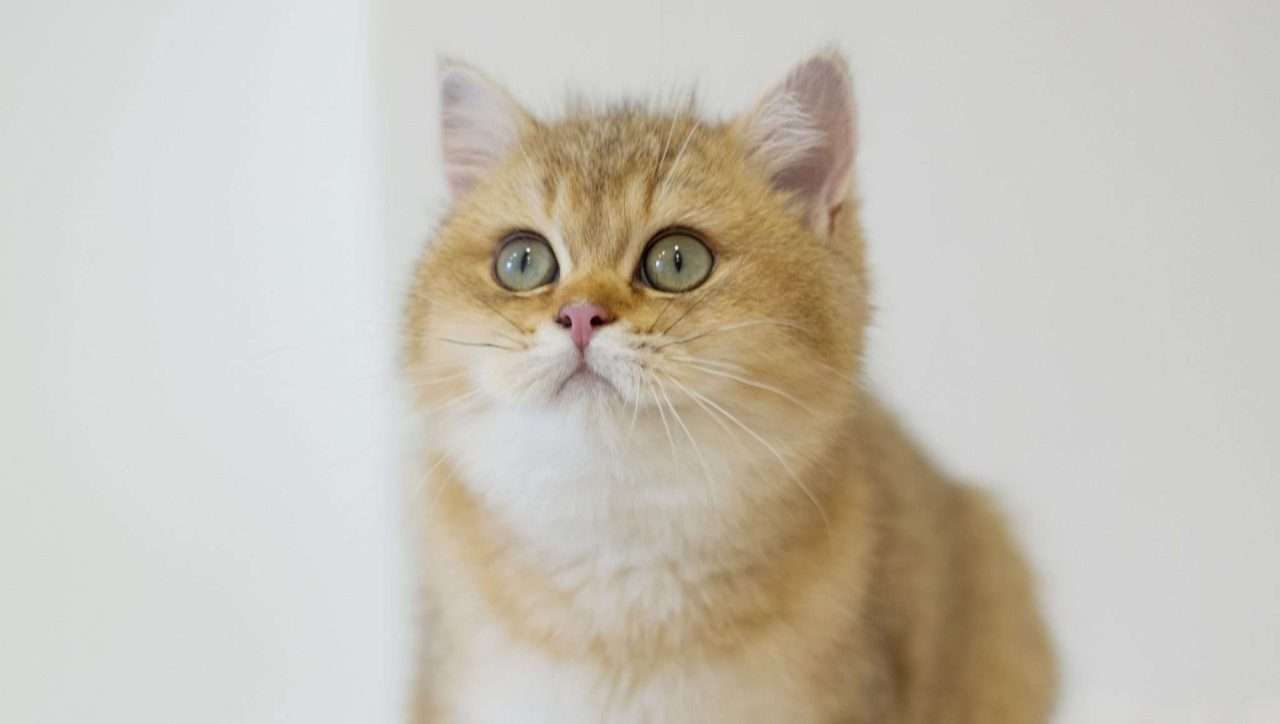
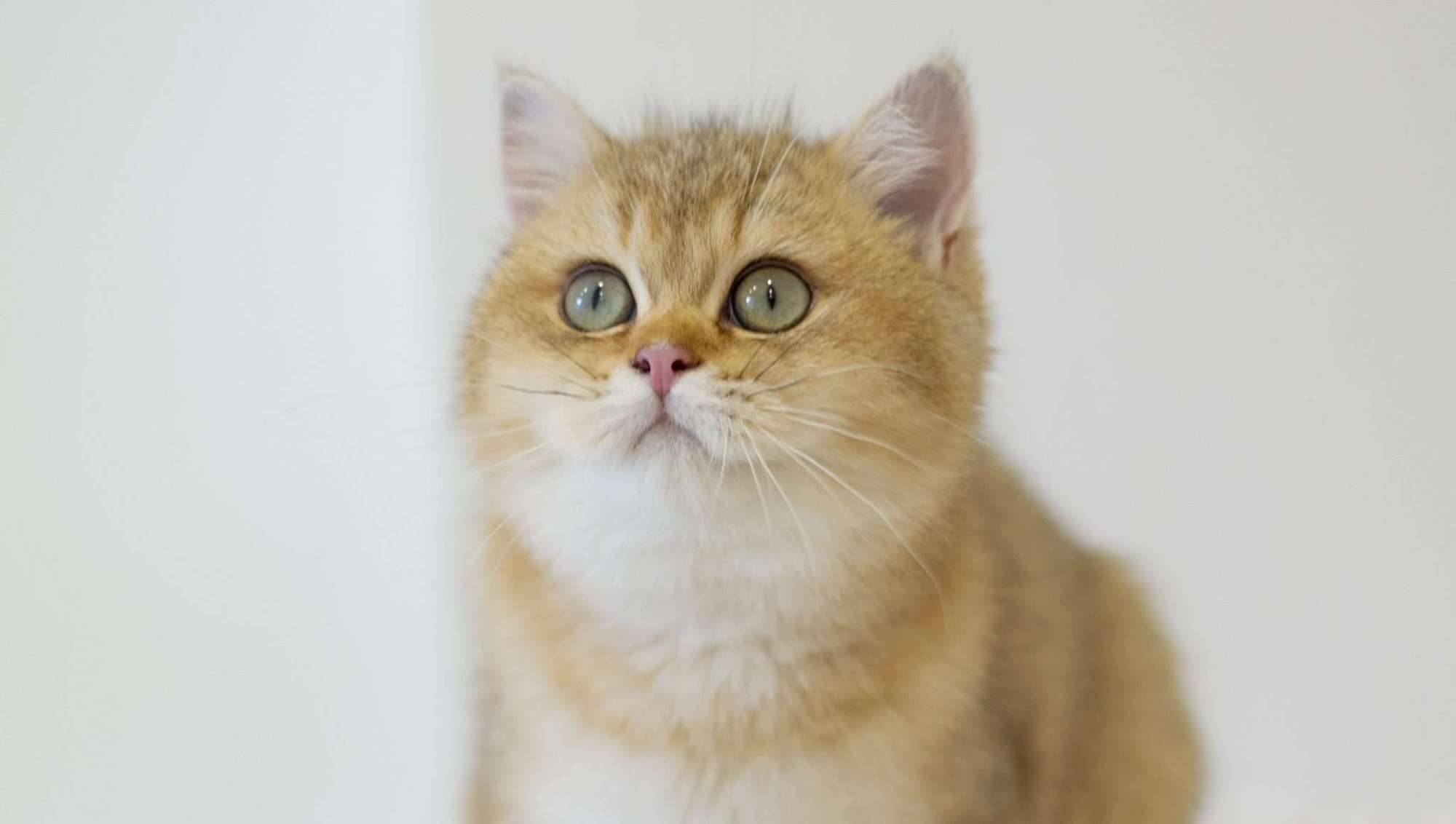
Shaded coats are not one flat colour. Each hair is pale at the root and tipped with darker pigment, giving a shimmering, dimensional look. Silver shaded has a bright white undercoat with black tipping and green-rimmed eyes. Golden shaded swaps the white base for a warm apricot glow — the coat everyone means when they picture a “honey” British Shorthair.
Golden is a big topic in its own right, from chinchilla-light to deep shaded, plus golden point variations. Rather than repeat it here, read our full golden British Shorthair guide for Singapore for shades, eye colour and what to check before you commit.
The most popular British Shorthair colours in Singapore
Tastes here lean towards soft, photogenic coats that suit apartment light and Instagram alike. Families booking viewings with us most often ask for:
- Golden shaded — the runaway favourite for its warm, expressive look.
- Lilac — that dusty pastel grey reads as quietly luxurious.
- Blue — the timeless classic that never dates.
- Silver shaded — cool, sparkling and dramatic.
- Cream and chocolate — gentle pastels and rich browns, both rising fast.
Whatever the coat, the temperament stays the same: calm, sturdy and affectionate on their own terms — an ideal fit for HDB and condo living. See the latest coats in person on our British Shorthair breed page and browse who is available now.
“Rare” colours like cinnamon and fawn attract hype, and some sellers lean on rarity to justify inflated demand. Colour is purely cosmetic. What actually protects your investment is verified health — HCM- and PKD-screened parents, a lifetime congenital health guarantee, and honest lineage. Choose the kitten, not the shade.
Do British Shorthair kittens change colour?
Yes — gently. Kitten coats can look fluffier and less saturated than the adult coat, and shaded or golden coats often deepen as tipping develops. Colourpoint kittens are born almost white and darken at the points over weeks. A colour usually settles by around 9–12 months.
Eyes evolve too. All kittens start with baby-blue eyes that shift towards the adult colour — typically copper or gold in most British Shorthairs, green in silvers, and blue in colourpoints — over the first few months.
Does colour affect health or care?
No. Every British Shorthair colour shares the same dense double coat, the same easy grooming needs and the same 14–20 year lifespan potential. Care is identical across colours — a weekly brush, good nutrition and routine vet checks. For a full routine, see our British Shorthair care guide. On licensing and ownership rules, the authoritative source is NParks’ Animal & Veterinary Service.
Questions, answered
What is the most popular British Shorthair colour?
Blue is the most iconic and recognisable colour worldwide — the original “British Blue”. In Singapore, golden shaded and lilac now rival it for popularity because of their soft, photogenic looks, but blue remains the timeless benchmark.
What is the rarest British Shorthair colour?
Fawn is the rarest, followed closely by cinnamon. Fawn is a double-recessive coat — a cat must inherit both the cinnamon gene and the dilution gene from each parent — which makes it genuinely uncommon and hard to produce consistently.
What is the difference between silver and golden shaded?
Both have dark-tipped hairs, but the undercoat differs. Silver shaded sits on a bright white base with green eyes, giving a cool, sparkling effect. Golden shaded sits on a warm apricot base, giving that honeyed glow. See our dedicated golden guide for the full range of shades.
Do British Shorthair kittens change colour as they grow?
They shift subtly. Kitten fur is fluffier and less saturated; shaded and golden coats deepen as tipping matures, and colourpoints darken at the points. The adult colour usually settles by 9–12 months, alongside the final eye colour.
What colour eyes do British Shorthairs have?
Most British Shorthairs have copper, gold or deep orange eyes. Silver and golden shaded cats often have green or green-rimmed eyes, colourpoints have blue eyes, and whites can be blue, gold or odd-eyed (one of each).
Which British Shorthair colour is best for an HDB home?
Any of them — colour has no bearing on temperament or care. All British Shorthairs are calm, quiet and content indoors, which suits HDB and condo living. Choose the coat you love, then prioritise a health-screened kitten with a good personality match. HDB allows up to two cats per flat.
Find your favourite colour in person
Photos never do these coats justice — blues, lilacs, goldens and silvers all shift in real light. Come and meet them, no pressure.